
Beyond the familiar curves of Tawang, past army checkposts and roaring mountain rivers, lie Mago, Chuna Valley and Gonkarla Lake — some of the most remote places you can explore in this part of Arunachal Pradesh.
Mago is roughly 70–80 km from Tawang, while Chuna Valley lies about 12 km beyond Mago. Gonkarla Lake is farther ahead and takes more time and planning to reach. The distances may look manageable on a map, but rough mountain roads, weather and local access restrictions can make the journey much longer than expected.
This guide covers how to reach Mago and Chuna Valley, distances from Tawang and Jang, road conditions, permits, the best time to visit and what to expect on the way to Gonkarla Lake.
Mago & Chuna Valley at a Glance
| Information | Details |
|---|---|
| Location | Tawang district, Arunachal Pradesh |
| Distance from Tawang | Mago: approximately 70–80 km |
| Mago to Chuna Valley | Approximately 12 km |
| Nearest practical base | Jang |
| Road condition | Rough mountain road; travel time varies |
| Vehicle | Local vehicle recommended/required as per current access rules |
| Mobile network | Very limited or unavailable |
| Best time | Depends on road opening, weather and local restrictions |
| Gonkarla Lake | Further beyond Chuna Valley |
Where Are Mago, Chuna Valley and Gonkarla Lake?
Mago and Chuna Valley are in a remote part of Tawang district, Arunachal Pradesh, close to the India-China border.
Mago is the first major destination on this route. Chuna Valley lies beyond Mago, opening into a wider high-altitude landscape of meadows and yak-grazing areas. Gonkarla Lake is located farther along the route and requires a longer day and more careful planning.
Because this is a sensitive border region, access can depend on local security instructions, road conditions and current permissions. Check the situation locally before starting the journey.
Mago Chuna Valley: What to Expect
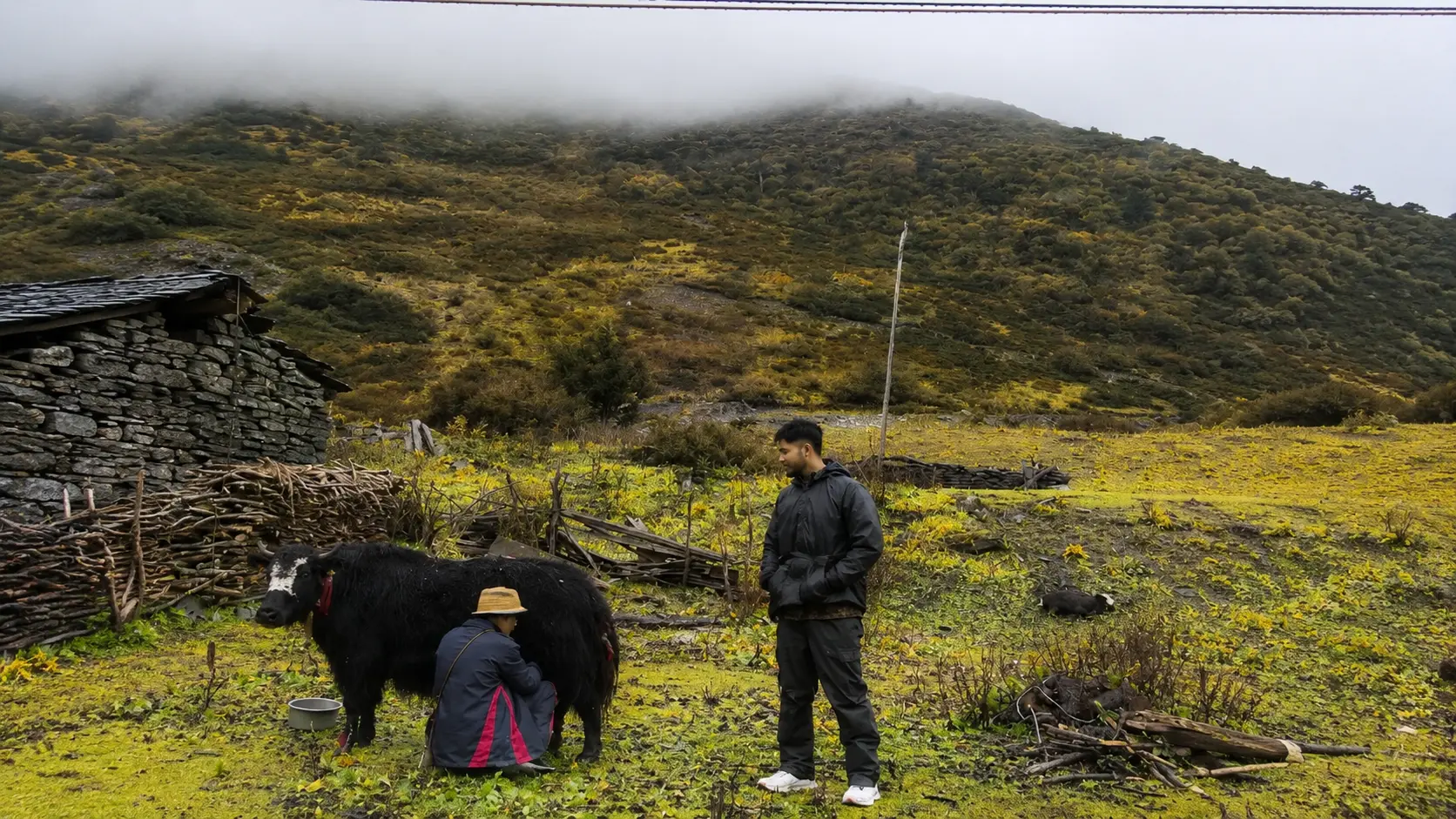
Mago and Chuna Valley offer a very different side of Tawang. There are no large hotels, busy tourist markets or regular sightseeing traffic here. Instead, the route leads through mountain rivers, open meadows, yak-grazing areas and small seasonal settlements.
Mago village acts as an important stop before Chuna Valley. Beyond it, the landscape becomes more open, with green summer meadows, wildflowers and seasonal homes used by local Brokpa families.
This is not a conventional sightseeing circuit. The road, weather and local access conditions are part of the experience, so the journey needs more preparation than a normal day trip around Tawang.
How to Reach Mago from Tawang
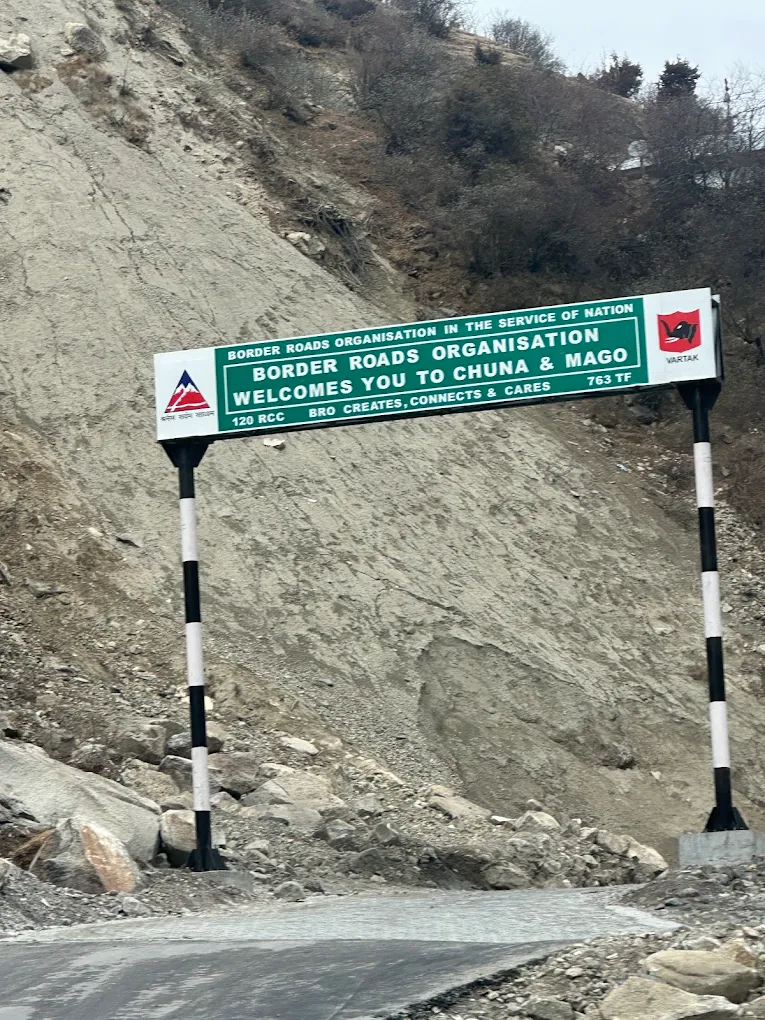
The usual approach is from Tawang towards Jang and then onward towards Mago. After leaving the more familiar roads around Tawang and Jang, the route becomes increasingly remote, with rough sections and stretches running alongside mountain rivers.
From Tawang, allow roughly 4–5 hours to reach Mago in suitable conditions. The actual journey time can be longer when the road is damaged, muddy or affected by weather.
Start early. This is not a route where you want to lose several hours because of a late departure. Daylight, weather and local access restrictions can all affect how far you can travel.
Because access rules for this border region can change, confirm the current vehicle and permit requirements with a local operator before setting out.
Tawang to Mago Distance
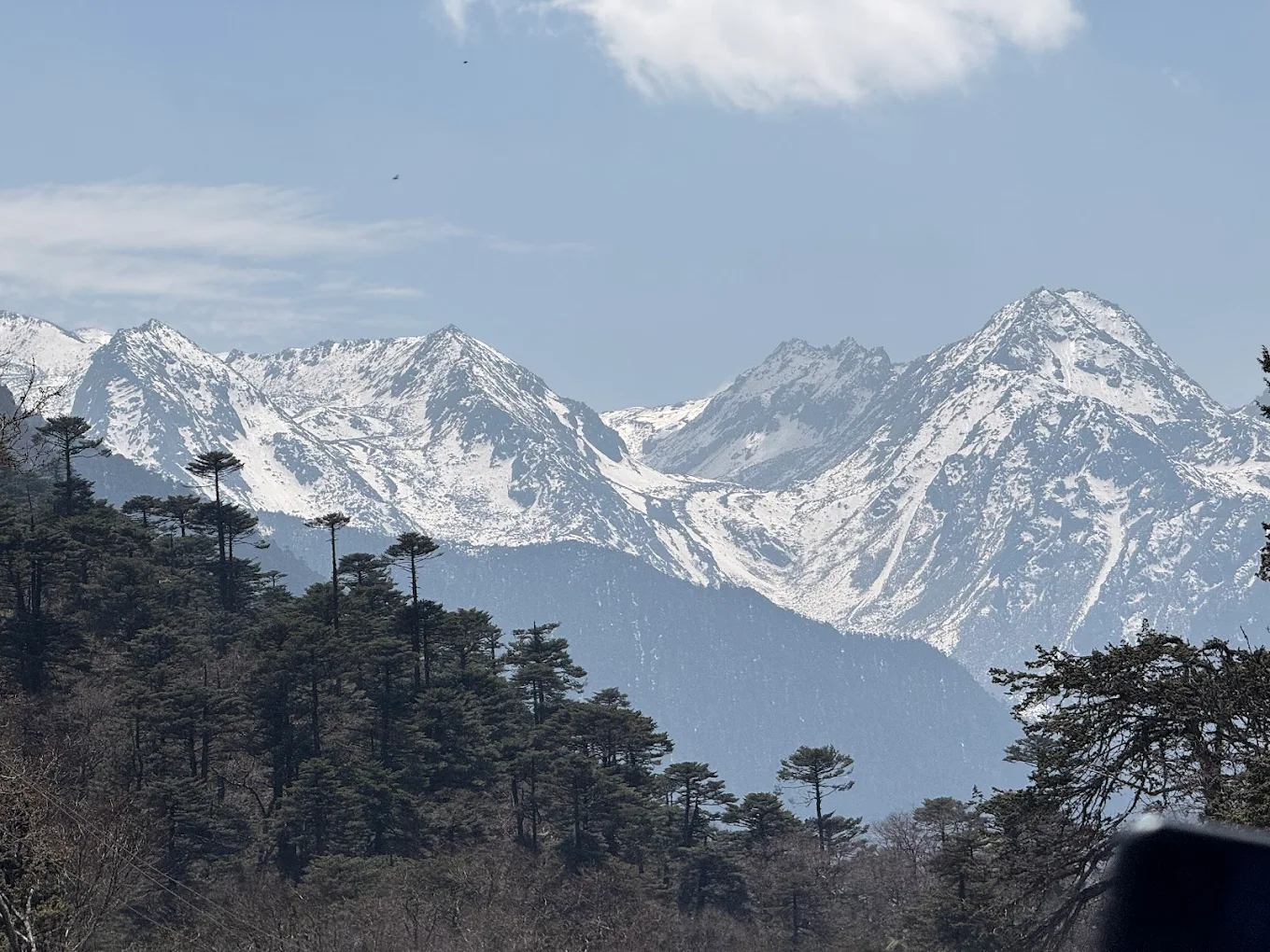
The driving distance from Tawang to Mago is roughly 70–80 km on the route commonly used for this journey. The exact distance can vary depending on the route and where the journey is measured from.
Although the distance does not look very large, this is a slow mountain journey. Rough road sections, river crossings, weather and security checks can make the journey take around 4–5 hours or longer.
For this reason, plan the trip by travel time and daylight rather than distance alone.
Jang to Mago & Chuna Valley
Jang can be a more convenient starting point for exploring Mago and Chuna Valley because it reduces the amount of driving compared with starting from Tawang.
The journey from Jang to Mago takes roughly 2 hours each way, depending heavily on road conditions. Chuna Valley is farther beyond Mago.
If you are planning the trip from Jang, start early enough to leave plenty of daylight for the return journey. These are remote roads and you should not plan the day around the shortest possible travel time.
- Jang to Mago: Allow approximately 2 hours each way in normal conditions.
- Jang to Chuna Valley: Mago and Chuna are commonly visited together, with Chuna Valley lying approximately 12 km beyond Mago. The actual driving time depends on the condition of the mountain road.
This can make Jang a more practical starting point for a day trip, particularly if you’re planning to continue towards Gonkarla.
Local Vehicle & Trip Cost
Local vehicle arrangements are required for this route according to the current access arrangements. Because regulations and vehicle availability can change, confirm the current requirement before travelling.
Our current vehicle rates:
- Jang → Mago & Chuna Valley: ₹8,000 per vehicle
- Jang → Gonkarla Lake: ₹10,000 per vehicle
Call or WhatsApp 9874408179 for current availability and booking.
The Road Itself Is the First Experience
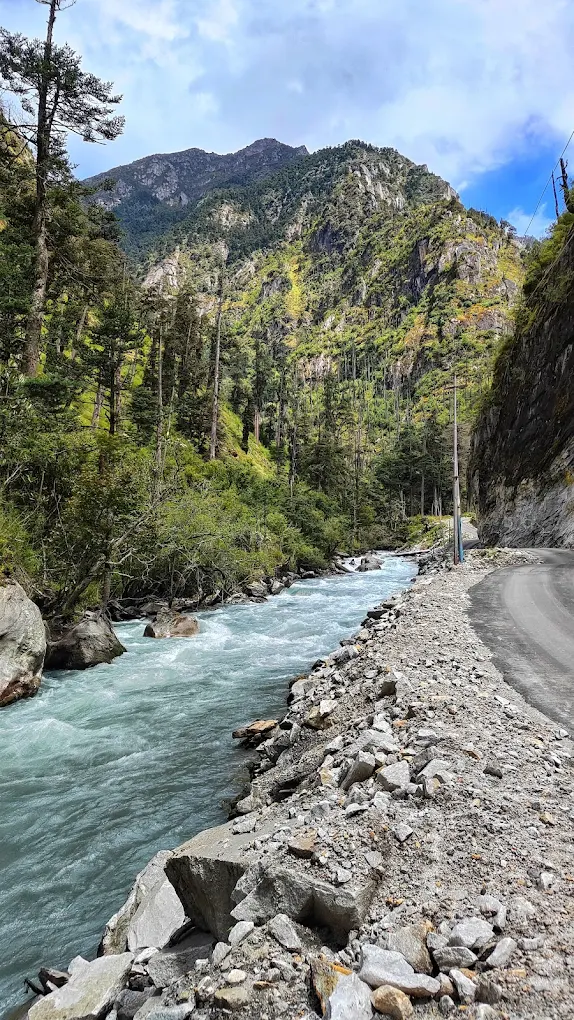
I’m not going to pretend the road to Mago is easy. It’s not. It’s off-road, rocky, steep in places, and the kind of terrain that makes your vehicle groan on the uphill stretches. The engine heats up. You stop. You wait. And while you wait, you look around — and you realize that the inconvenience is actually the point.
The river runs right beside you for most of the drive. It’s loud, it’s cold, and it’s completely magnificent. No guardrails, no tour buses, no honking traffic — just you, the river, and the mountains stacking up on either side.
Mago Village: The First Stop
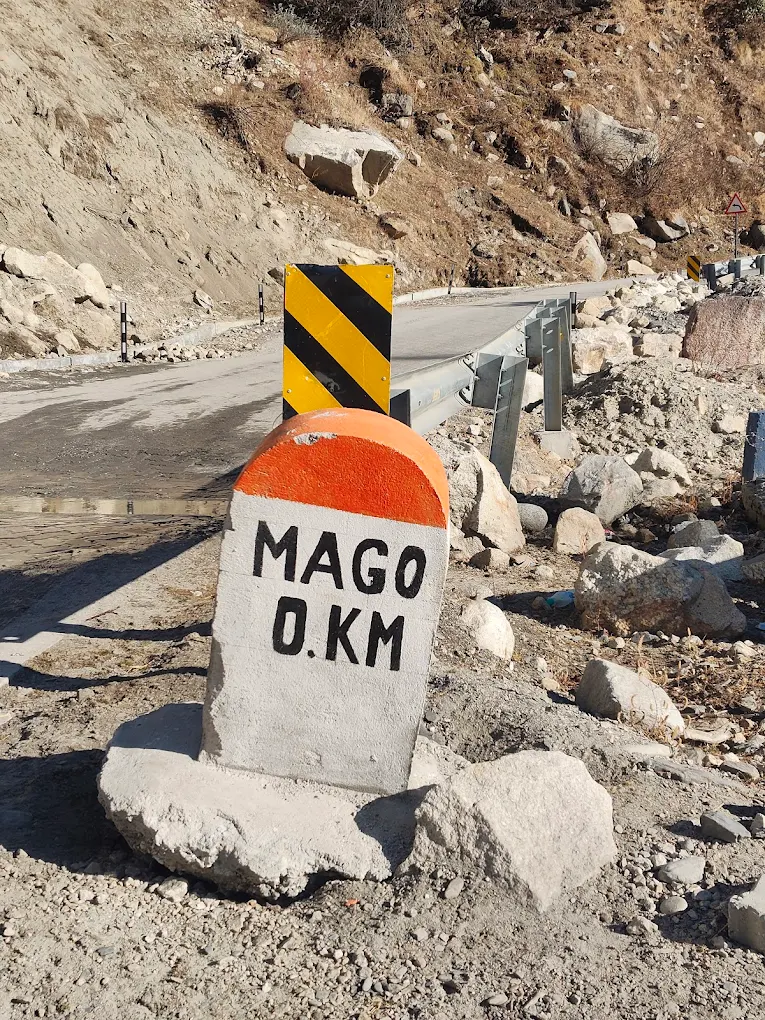
Mago is usually the first important stop before continuing towards Chuna Valley. It is a small, quiet settlement where travellers often take a break before continuing deeper into the valley.
There are very limited food options here. You may find a small local shack serving Maggi, chai or a simple rice-based meal. Chhurpi may also be available depending on the season and what the local family has prepared.
Do not treat Mago like a regular tourist stop with guaranteed restaurant service. Carry your own snacks and water, especially if you are travelling with children or have dietary requirements.
Chuna Valley: What You Will See
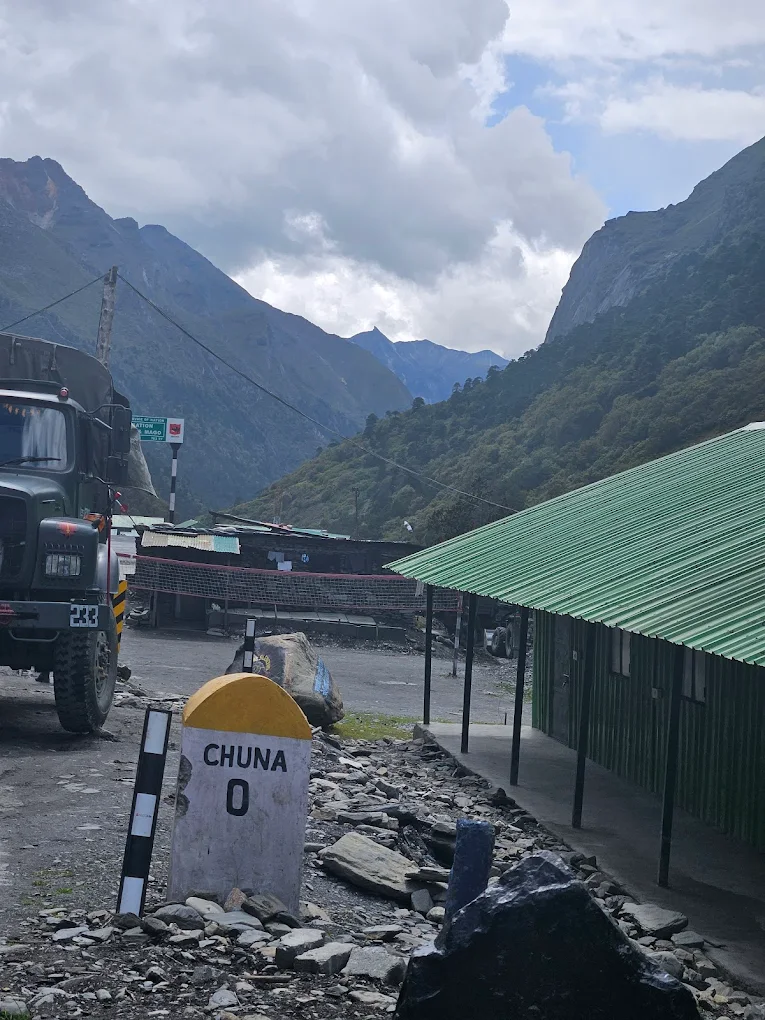
Chuna Valley is approximately 12 km from Mago, and the moment you arrive, you understand why people struggle to describe it properly.
The meadows are impossibly green in summer. Wildflowers push up through the grass in colors you didn’t expect. Waterfalls drop silently off cliff faces in the distance. And scattered across the valley, enormous herds of yaks graze without a care, tended by the semi-nomadic Brokpa families who have lived this way for generations.
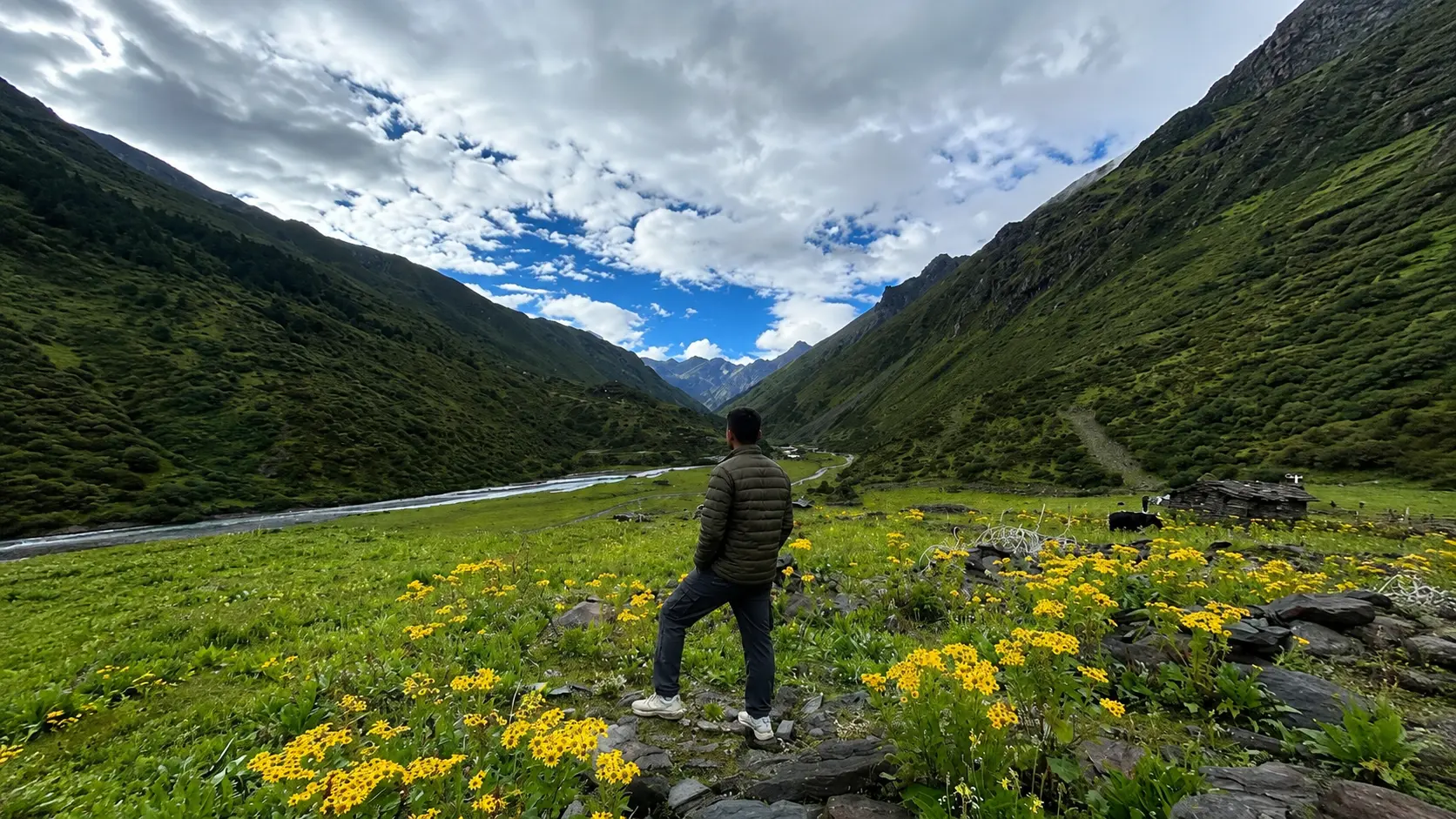
The small huts you’ll see dotting the valley aren’t ruins — people live in them, seasonally, following their herds. The seasonal lifestyle of these families remains closely connected to yak herding and the changing conditions of the high-altitude valley.
Try the yak cheese. Seriously. Chhurpi is traditionally made by local families from yak milk, and you may get a chance to try it in the valley.
Mago to Chuna Valley Distance
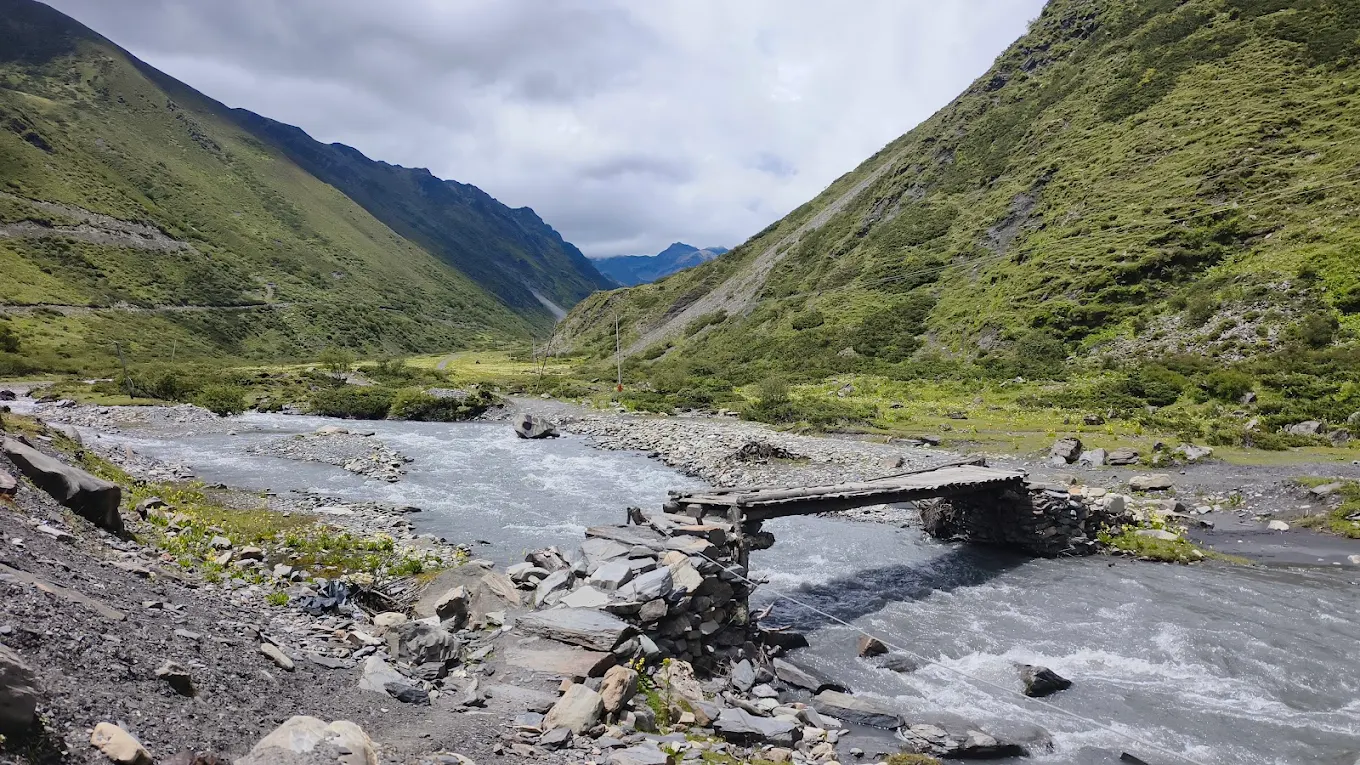
The distance from Mago village to Chuna Valley is approximately 12 km.
It is a short distance on the map, but the mountain road can make the journey considerably slower than expected. Road conditions, weather and local access can affect the actual travel time.
This is the stretch where the landscape opens up, with larger meadows, yak-grazing areas and seasonal settlements becoming more noticeable.
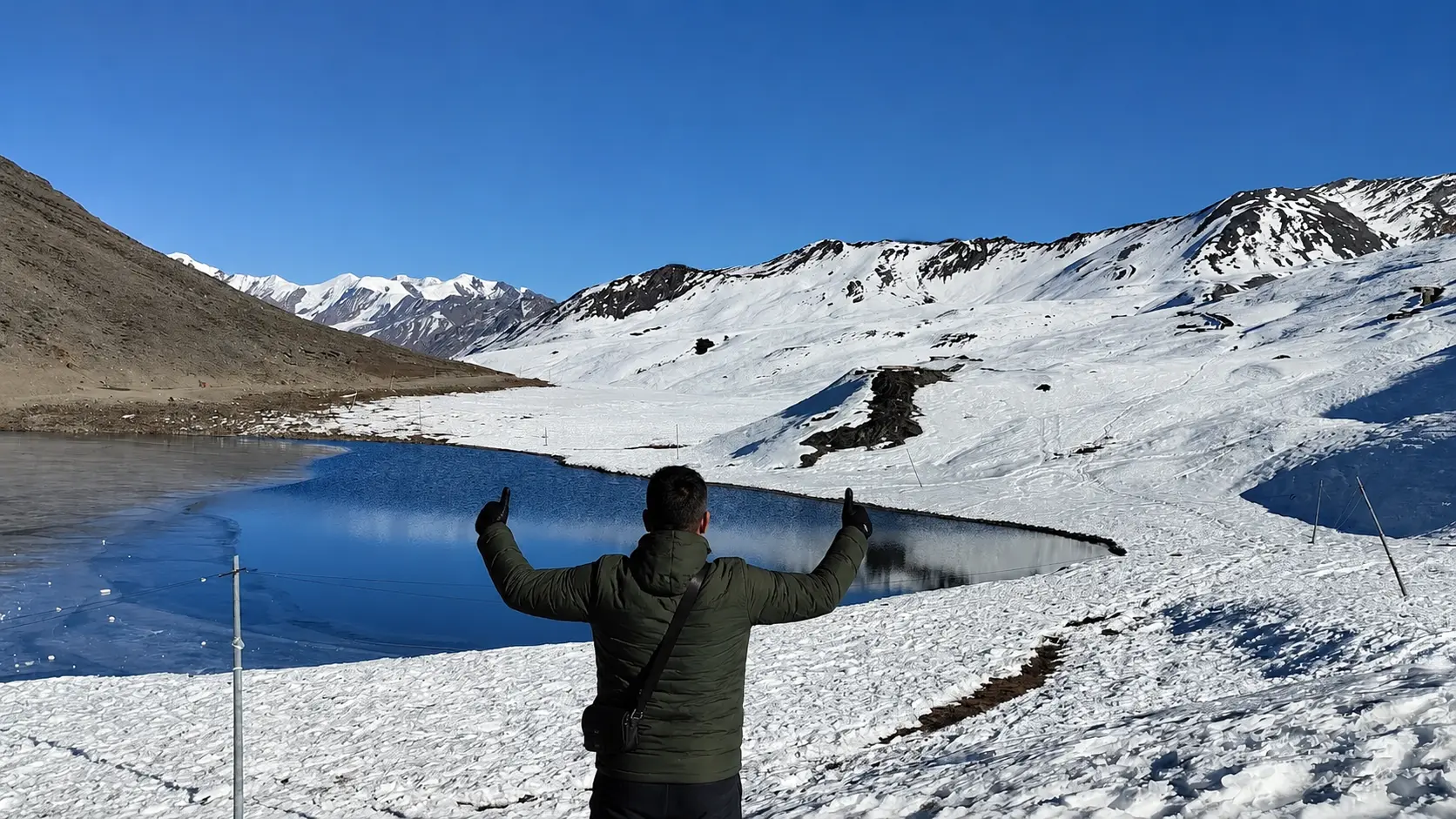
Gonkarla Lake: For Those Who Go Further
If Chuna Valley is a destination, Gonkarla Lake is an achievement.
Gonkarla Lake lies farther beyond the Mago and Chuna Valley route and is one of the more remote places travellers try to reach from this side of Tawang.
The journey takes considerably longer than a Mago-Chuna visit. From Jang, plan for 3 hours each way — a full 6-hour road journey in total. Start early, carry food and water, and respect the weather. Conditions can change without warning at this altitude.
Because this is a remote border-area route, do not assume the lake is accessible every day. Weather, road conditions and local security restrictions can affect access. Confirm the current situation before leaving Jang.
Carry food, water and warm clothing. There are very limited facilities once you move deeper into the route.
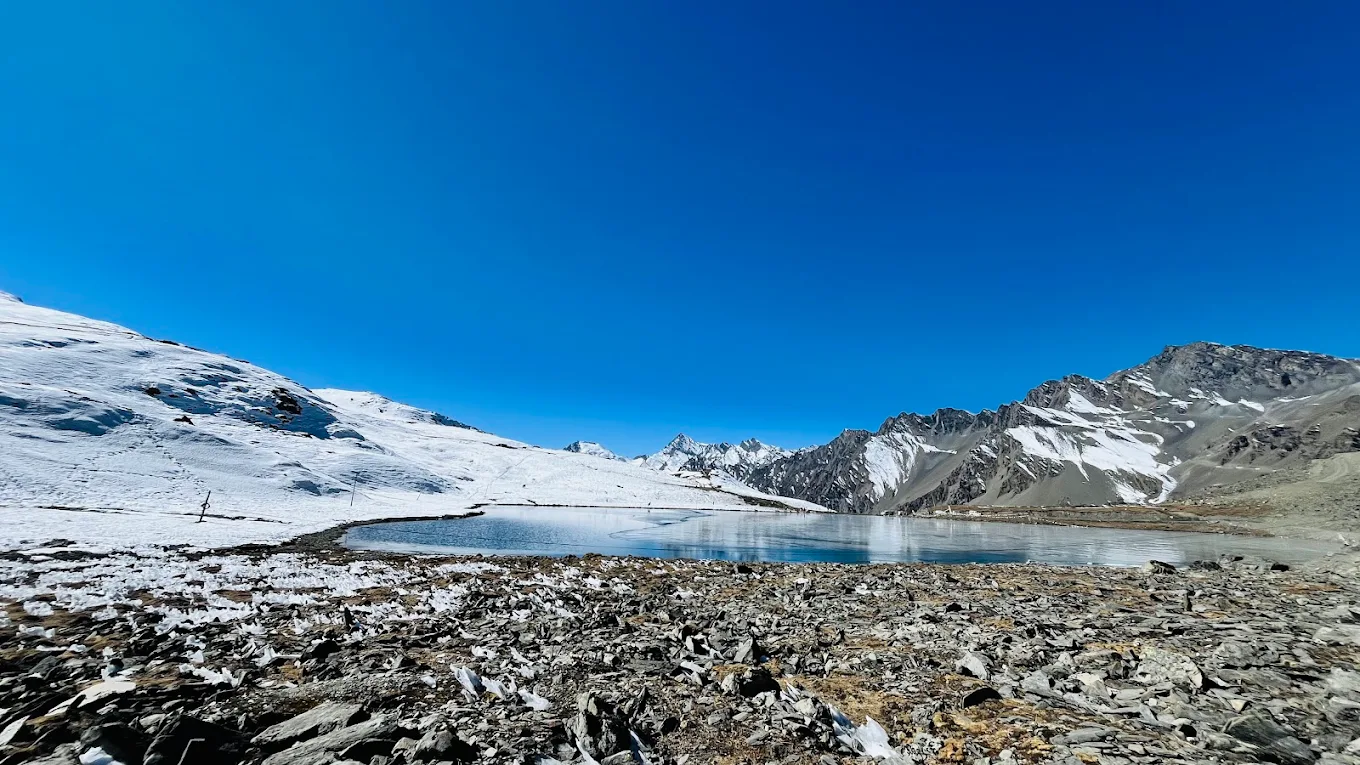
From Jang, plan for 3 hours each way — a full 6-hour road journey in total. Start early, carry food and water, and respect the weather. Conditions can change without warning at this altitude.
Hot Springs on the Route
Natural warm-water springs can be found along parts of the route, and local travellers sometimes stop here on the return journey.
The water is naturally warm and the setting makes the stop memorable after hours on rough mountain roads. You may hear locals describe the springs as beneficial for tired muscles, but these are traditional local beliefs rather than a medical treatment.
If you stop, follow local guidance and avoid entering the water if the temperature or conditions appear unsafe.
Don’t rush past them. Stop. Soak. Breathe.
The Suspension Bridges
Along the route you’ll cross rustic suspension bridges over fast-moving mountain streams. They sway slightly underfoot, the water churns far below, and the whole experience is exactly as thrilling as it sounds.
These aren’t tourist installations — they’re functional infrastructure for local communities. Walk across carefully, respect the surroundings, and don’t litter. These bridges belong to the people who use them daily
Practical Things You Must Know Before You Go
Permits: You need an Inner Line Permit (ILP) to enter Arunachal Pradesh. Since Mago and Chuna are close to the Indo-China border, additional border area permits may be required. Sort this out before you leave Tawang — don’t assume you can manage it on the road.
Cash: There are no ATMs in Mago or Chuna Valley. Carry enough cash from Tawang to cover food, any local purchases, and emergencies
Network: Mobile connectivity is unreliable to nonexistent in this region. Download your maps offline, inform someone of your plans, and genuinely embrace the digital silence.
Food: Pack dry snacks, biscuits, and a few ready-to-eat items. The local shack in Mago is your main food option on the route. If you need vegetarian, Jain, or Halal meals, arrange it in advance with your tour operator.
Clothes: Even in summer, temperatures drop sharply by afternoon at this altitude. Carry layered warm clothing, sturdy shoes, and a windproof jacket regardless of the season.
Leave No Trace: Chuna Valley is pristine because it’s remote — not because someone is cleaning it. Every piece of trash you bring in, you take back out. This is non-negotiable.
Best Time to Visit Mago & Chuna Valley
The best time depends on the road condition and whether the route is open for travel, not simply the calendar month.
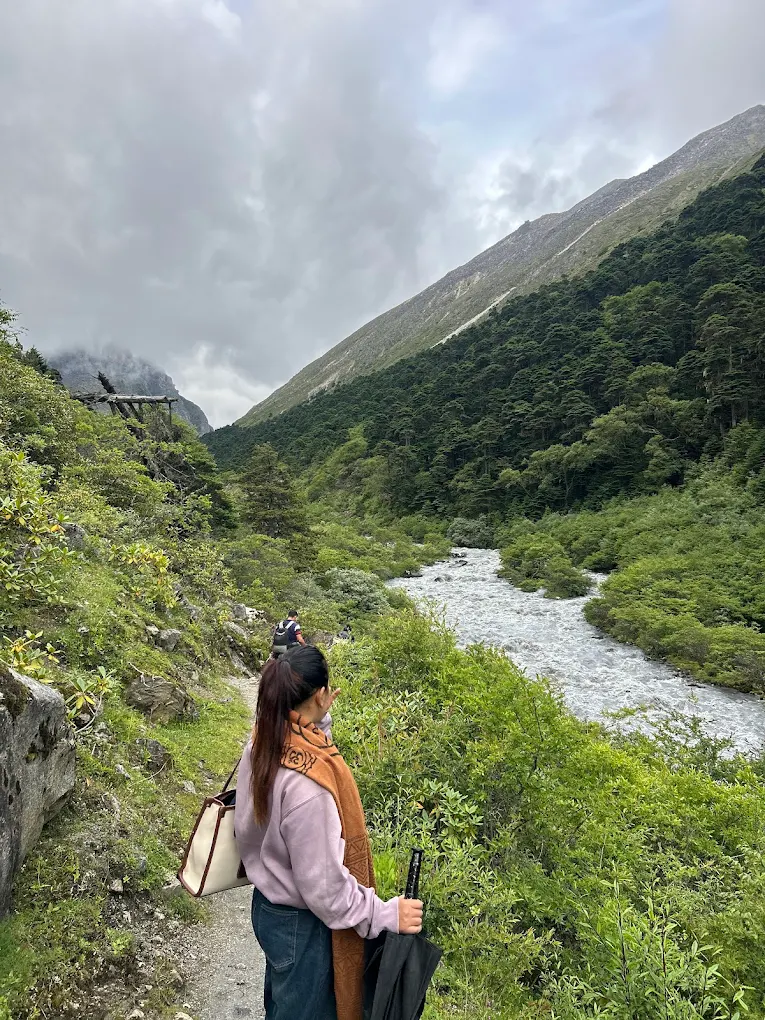
June to September: The valley is generally greener, with summer vegetation, wildflowers and flowing streams. Rain can make the road difficult, so check conditions before travelling.
October: Often offers clearer mountain views and autumn colours, but temperatures drop quickly.
Winter months: Snow and freezing conditions can make access difficult or impossible. Do not assume the route is open throughout winter.
For the most practical trip, confirm road and security conditions locally a day or two before departure.
Both windows offer stunning but very different versions of the same landscape. Winter is more dramatic; summer is more accessible. Choose based on what moves you
Mago & Chuna Valley Vehicle Booking
From Tawang: We arrange complete guided packages covering Tawang → Jang → Mago → Chuna Valley → Gonkarla, with local expert drivers and logistics support.
From Jang: Hire a local vehicle for the day — the only permitted option for this route.
- Mago & Chuna Valley day trip from Jang: ₹8,000 | ⏱ 4 hours total journey
- Gonkarla Lake day trip from Jang: ₹10,000 | ⏱ 6 hours total journey
📞 Book your vehicle: 9874408179
Vehicle access on this route is subject to local and security restrictions. In practice, travellers should arrange the journey through a local operator and confirm which vehicles are permitted before travelling.
Is Mago, Chuna Valley & Gonkarla Worth It?
Yes, if you are looking for a quieter and more remote side of Tawang rather than another conventional sightseeing stop.
The journey is long for the distance, road conditions can be rough, facilities are limited and mobile connectivity may disappear. But that is also what makes the region different: open high-altitude meadows, mountain rivers, yak herds, seasonal settlements and very few conventional tourists.
If you decide to go, plan around daylight, weather and current access restrictions rather than trying to fit the route into a tight sightseeing schedule.
Planning Mago, Chuna Valley or Gonkarla Lake from Tawang or Jang? Contact us for current road conditions, vehicle availability, permits and trip planning.
Call or WhatsApp: 9874408179
Frequently Asked Questions — Mago, Chuna Valley & Gonkarla Lake
1. Where are Mago, Chuna Valley, and Gonkarla located?
They are located in the Tawang district of Arunachal Pradesh, near the Indo-China border in the eastern Himalayas, at an altitude of around 13,000 feet.
2. How far is Mago and Chuna Valley from Tawang?
Approximately 70–80 km from Tawang town, taking around 4–5 hours by SUV or 4×4 depending on road conditions.
3. Can I visit Mago and Chuna Valley from Jang?
From Jang, Mago takes roughly 2 hours each way in suitable conditions. Chuna Valley lies approximately 12 km beyond Mago, so allow additional time for the onward journey.
4. How long does it take to reach Gonkarla Lake from Jang?
Gonkarla Lake is 3 hours each way from Jang — plan for a total of 6 hours of road journey. Start early and carry your own food and water.
5. How much does it cost to hire a vehicle from Jang?
Our current listed rates are ₹8,000 per vehicle for Mago & Chuna Valley and ₹10,000 per vehicle for Gonkarla Lake. Confirm the latest rate and availability before booking.
6. Are local vehicles mandatory for this route?
Yes, absolutely. Private vehicles are not permitted on this route. Local vehicles with experienced drivers who know the terrain are mandatory — both for safety and regulatory reasons.
7. What permits are required to visit Mago and Chuna Valley?
You need an Inner Line Permit (ILP) to enter Arunachal Pradesh. Additional border area permits may be required since the region sits close to the Indo-China border. Arrange all permits before leaving Tawang.
8. Is Mago and Chuna Valley open for non-Indian nationals?
Due to its proximity to the Indo-China border, travel is generally restricted to Indian nationals only. Check current regulations before planning your trip.
9. What is the best time to visit Mago, Chuna Valley, and Gonkarla?
June to September for lush green meadows and wildflowers. October to April for snow-covered peaks and clear blue skies. Both seasons offer stunning but very different experiences.
10. Is there mobile network connectivity in this region?
No. Mobile connectivity is poor to completely nonexistent throughout Mago, Chuna Valley, and Gonkarla. Download offline maps and inform someone of your plans before heading out.
11. Are there ATMs or banks in Mago or Chuna Valley?
No ATMs exist anywhere on this route. Carry sufficient cash from Tawang before you begin your journey.
12. What food is available in Mago?
A small local shack in Mago serves hot Maggi, chai, and simple meals like rice with Chhurpi — a traditional local cheese curry. Carry dry snacks and backup food regardless.
13. What is Chhurpi and should I try it?
Chhurpi is a traditional cheese made from yak milk by the Brokpa community of Chuna Valley. It’s salty, earthy, and deeply local — absolutely worth trying when you’re there.
14. Who are the Brokpa people of Chuna Valley?
The Brokpas are semi-nomadic yak herders who have lived in Chuna Valley for generations. They tend large herds of yaks and produce milk, cheese, and other yak products. Their lifestyle has remained largely unchanged for centuries.
15. Are there hot springs on the route?
Yes. Natural sulfur hot springs appear on the route back from Mago. Locals believe the warm geothermal waters have therapeutic and healing properties — well worth a stop.
16. What should I pack for this trip?
Layered warm clothing, windproof jacket, sturdy trekking shoes, cash, dry snacks, personal medicines, a power bank, and an offline map. Pack light but pack smart.
17. Is Gonkarla Lake worth the extra distance?
If you have the time and energy, absolutely yes. Gonkarla is a high-altitude lake with near-total solitude and stunning reflections of surrounding peaks. Very few travelers reach it, which makes it all the more special.
18. Can families with children visit Mago and Chuna Valley?
Yes, but with caution. The roads are rough, facilities are extremely limited, and altitude can affect children differently. Traveling with an experienced local guide is strongly recommended for families.
19. Is camping allowed in Mago and Chuna Valley?
Yes, but it must be done responsibly with proper guidance from local operators. Always pack out all your waste — leave no trace is not just a suggestion here, it’s a responsibility.
20. Can I visit without a guide or local operator?
It is strongly not recommended. The roads are unpredictable, there is no mobile network for emergencies, and local knowledge is essential for a safe and meaningful experience. Always travel with a local expert.